A unique ecosystem
Behind its golden dunes and spectacular landscapes, the Lompoul desert is home to rich but fragile biodiversity. This ecosystem is a transition zone where plants and animals adapted to extreme conditions live side by side.
The surprising wildlife of the desert
Lompoul’s wildlife is surprisingly varied. The dunes and coastal areas welcome many species of migratory birds, which use the desert as a vital stopover between Europe and Africa. On nearby beaches, sea turtles come to lay their eggs, a rare moment that must be protected. In greener areas, small reptiles, rodents and insects play a key role in the natural balance.
Plants adapted to extreme conditions
The desert flora shows remarkable adaptation. You will find:
- Thorny plants and hardy shrubs
- Rare grasses that survive in the sand
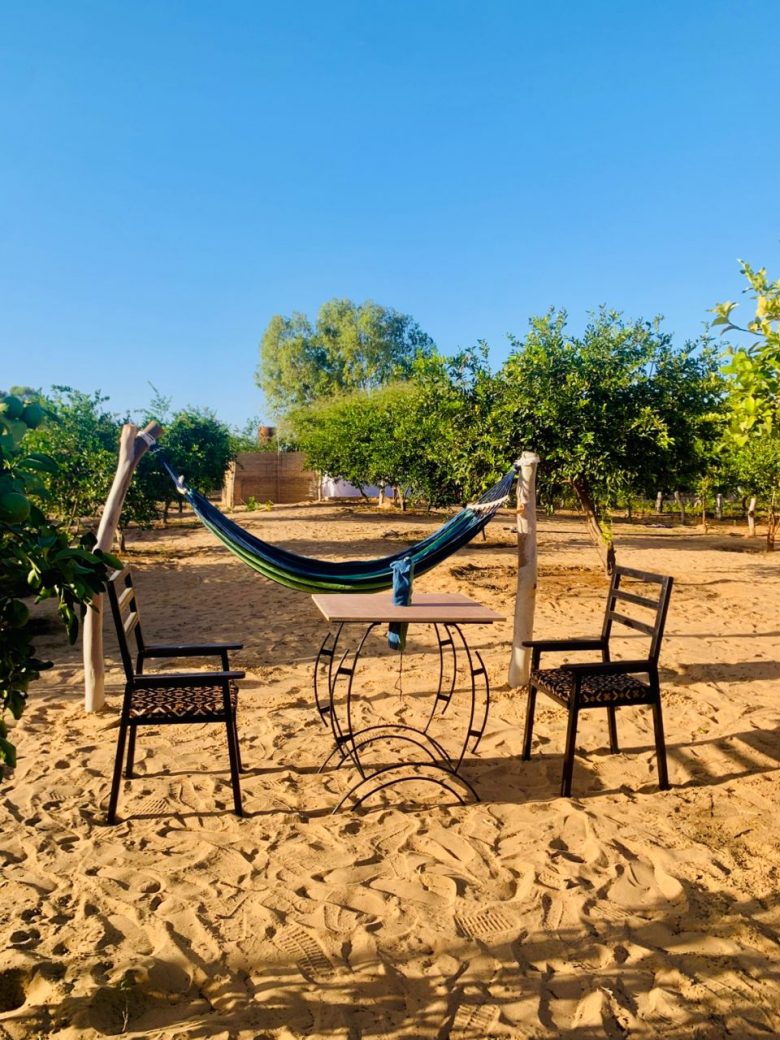
- Fruit trees grown with careful irrigation
Lompoul Nature’s agroecological farm adds to this biodiversity. It introduces sustainable crops, plants trees and tests environmentally friendly farming methods.
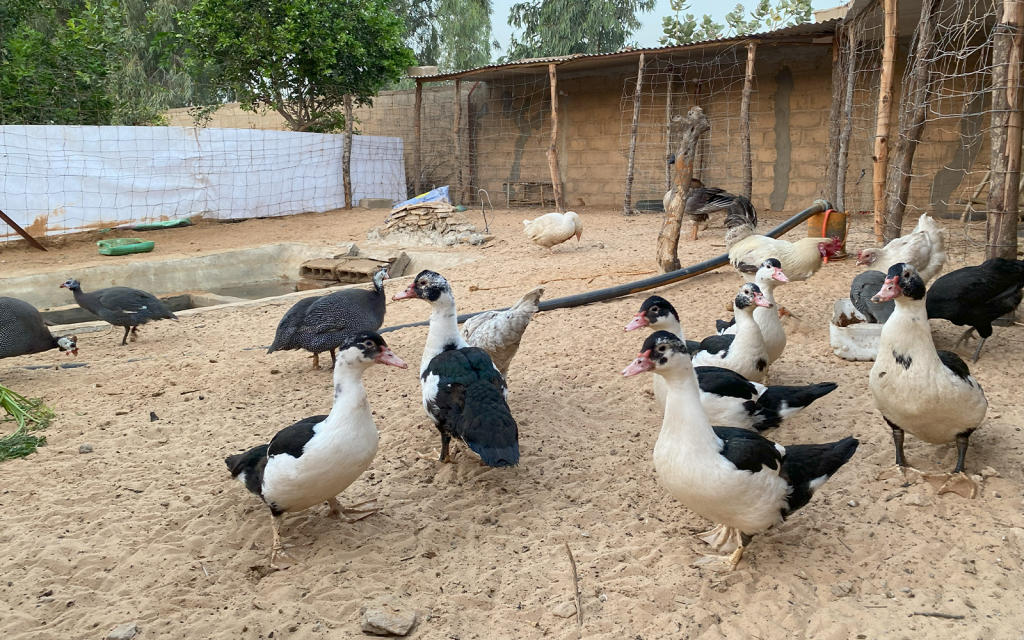
Vulnerable, threatened biodiversity
Despite its richness, the desert’s biodiversity remains fragile. Climate change, overuse of resources and poorly managed tourism can upset its balance.
Aware of these issues, Lompoul Nature takes action. The ecolodge has set up:
- Composting and recycling to reduce waste
- Raising visitors’ awareness of ecological practices
- Partnerships with local associations
- Conservation programmes for birds and turtles
Visitors who help protect
Every traveller can help protect this place. By joining educational workshops and community activities, they learn why conservation matters and help protect this natural heritage.
To travel is to protect
Lompoul’s biodiversity is not just scenery to admire. It is a precious heritage to preserve. Lompoul Nature shares with its guests the fragile link between travel and protecting the planet, a reminder that every stay can be a responsible choice for the environment.